Climbing Mt Fuji from the 5th Station: the honest brief
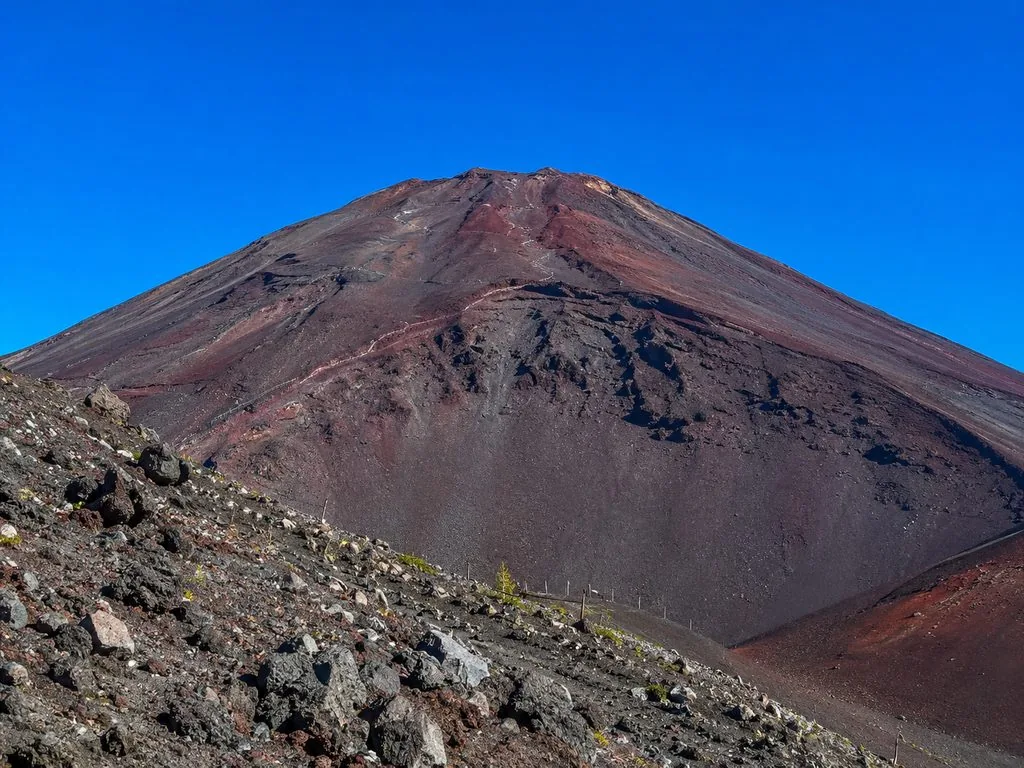
The season, and why it is short
Early July to early September is the whole window. Outside it the trails are snowbound from November to April, wind chills near −30 °C occur above the 8th station, and winds of 40 to 50 m/s happen — numbers from the world of serious mountaineering, on a peak that summer visitors remember as a queue. People die on out-of-season Fuji. I porter-hauled supplies up this trail for years and I will say it flatly: if your dates fall outside the season, change the dates or change the plan to the lakes — the viewing tours run all year.
The fee and the paperwork
A mandatory per-climber fee of ¥4,000 applies on the Yoshida Trail, as listed at the time of writing on the official site, fujisan-climb.jp — check there for current rules before you commit. Equipment checks happen at the trail entrance: hiking boots, rain jacket and rain pants, warm layers, never cotton. The kit reasoning is spelled out on what to wear.
The shape of the climb
About six hours up, about four down, and the standard plan splits it: climb to a hut in the afternoon, sleep briefly, summit in the dark for sunrise. The huts book out in season, so reserve ahead. Public toilets exist at the trailhead, the huts and the summit. The air thins the whole way — at the top it carries roughly two-thirds of sea-level oxygen, and about 30% of climbers report at least mild altitude sickness. Spend an hour or two at the 5th Station before starting; the altitude page explains why that unglamorous pause is the best free medicine on the mountain.
Is it a beginner mountain?
It is a fit-beginner mountain in season, on the right gear, with the hut night built in. It is not a stroll: the last hours are steep volcanic switchbacks in thin, cold air, often in a headtorch beam. Respect it and it is achievable; treat it as a photo stop that grew and it will teach you the difference. Getting to the trailhead in the first place is on how to get there.
Book the hut before the bus. In season the huts are the scarce resource, and a confirmed bunk shapes the whole timetable — including which morning you stand on the summit.
What the tours here actually do
None of the bus tours on this site climbs the mountain — they visit the 5th Station and turn around, road and season permitting. That is the correct product for most people. The flagship loop at $151 gives you the trailhead hour, the Hakone stops and a bullet-train return; treat it as the scouting trip before a future climbing year.
Frequently asked questions
How long does it take to climb Mt Fuji from the 5th Station?
About six hours up and four down on the Yoshida Trail, usually split by a night in a mountain hut to reach the summit for sunrise. The station hour beforehand is acclimatisation, not sightseeing — why it matters.
How much does it cost to climb Mount Fuji?
The Yoshida Trail carries a mandatory per-climber fee — the figure in the body above, as listed at the time of writing on the official site; verify current rules at fujisan-climb.jp. Huts, transport and gear are on top. Reaching the trailhead is covered on getting there.
What is the best month to climb Mt Fuji?
Within the official season only — early July to early September. There is no safe off-season month: trails are snowbound November to April and wind chills near −30 °C occur above the 8th station. The season logic sits on best time to visit.
Are there bathrooms on Mt Fuji?
Yes — public toilets at the trailhead 5th Station, at the mountain huts on the way up, and at the summit. The station’s full facilities are listed on what to do up there.