What to wear at 2,305 m, from someone who dressed for it daily
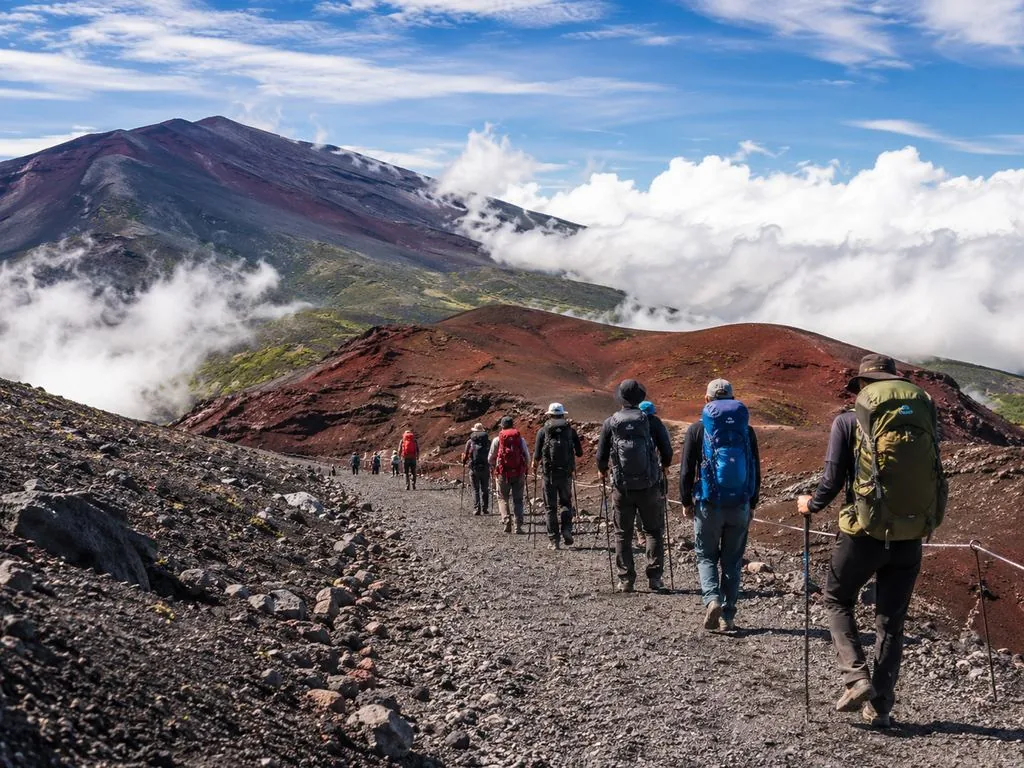
For a bus visit to the station
A fleece or light insulated jacket, a windproof shell over it, and long trousers will make the terraces pleasant on most summer days. Shorts and a T-shirt — standard issue on the Shinjuku departures I used to watch arrive — make for a short, shivering visit once the wind picks up. In the cold half of the year, treat the station as full winter and add gloves and a hat. The temperature logic behind all of this lives on weather and clouds.
If you are climbing: the checklist is not a suggestion
The official gear list for the Yoshida Trail is short and absolute: hiking boots, a rain jacket and rain pants — both, because summit weather comes sideways — and warm layers, with cotton excluded because it holds water and strips heat. Equipment checks happen at the trail entrance, and staff turn back people dressed for a shopping street. The summit’s annual average of −7.1 °C is the number to dress against, not the forecast at the base. The rest of the climb — season, fee, hut logic — is on climbing from the 5th Station.
Why cotton is the villain
Wet cotton stops insulating. On a mountain where you can start in sunshine, climb into a cloud and meet wind above it, a soaked cotton shirt turns a cool day into a dangerous one. Synthetics and wool keep working damp. This is the cheapest safety upgrade in the whole trip: it costs a change of shirt.
The one-bag answer
For a station visit: warm layer, shell, trousers, and something for your ears in the cold months. The station’s coin lockers hold whatever you do not want to carry while you wander — the hour up there is mostly outdoors. If your day is a tour loop, the bus is warm and the stops are short, so the same kit covers the Hakone ropeway and the lake decks too.
Pack the warm layer even when the forecast looks kind. The station sits inside the cloud deck often, and standing in cloud feels colder than any thermometer admits. Nobody has ever regretted the extra fleece at 2,305 m.
Dressed right, the day is easy
The flagship loop at $151 gives you about an hour at the station — comfortable in the right two layers, miserable in the wrong T-shirt. Dates below.
Frequently asked questions
Can you wear shorts to the Mt Fuji 5th Station?
You can, and plenty do, but at roughly 16 °C on a 30 °C base day — windier and damper if the cloud deck is in — most regret it. Long trousers and a warm layer make the hour pleasant. The numbers are on weather and clouds.
Do you need rain pants for Mt Fuji?
For the climb, yes — the official checklist requires a rain jacket and rain pants, and equipment checks at the trail entrance enforce it. For a bus visit to the station, a windproof shell is usually enough — the full climbing kit.
Why is cotton banned on the mountain?
Wet cotton stops insulating, and Fuji manufactures wet: rain, cloud, sweat. Synthetics and wool keep you warm damp. The checklist — boots, rain gear, warm non-cotton layers — comes from the official climbing guidance, and even a station-only visit borrows its logic.